Best time to visit Martinique
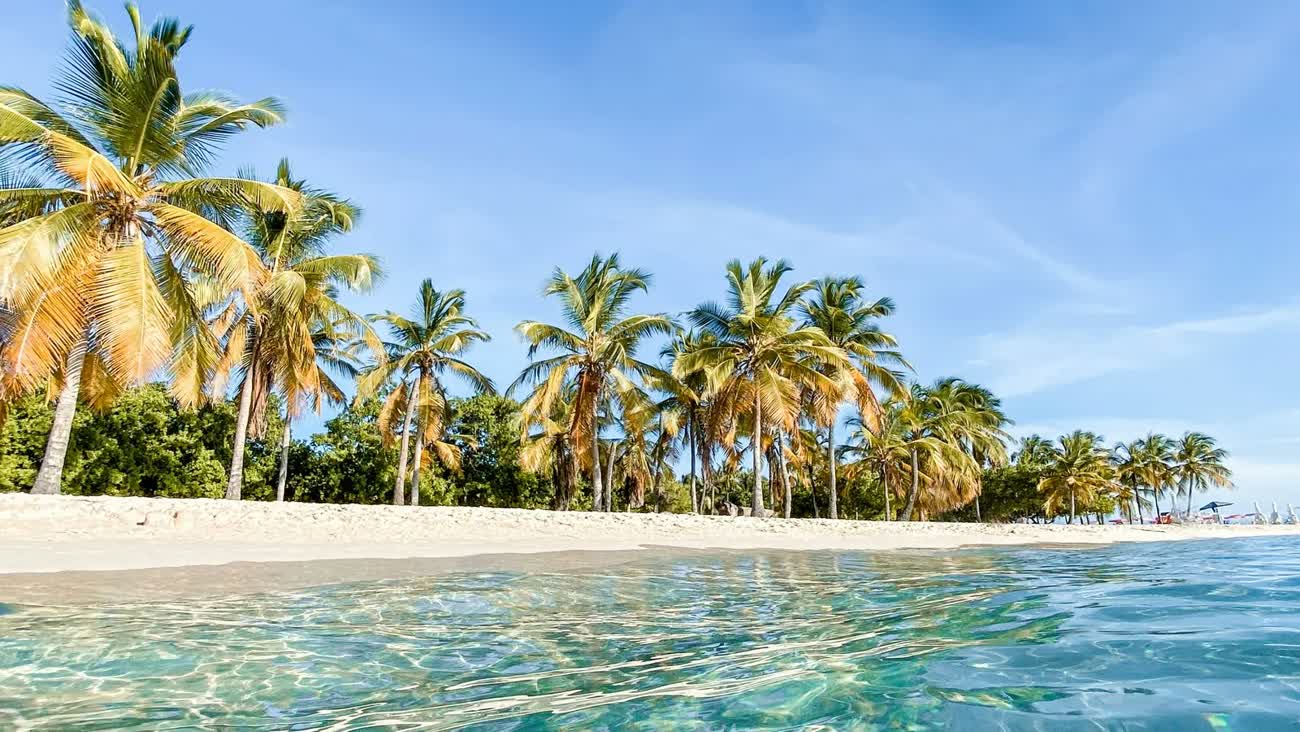
December to April, carême, is the dry season and also the high tourist season: it is the safest bet for weather. September to November, hivernage, costs less and still makes for a perfectly viable trip, even with more rain around. The choice mostly comes down to your priority: reliable weather and a bigger budget on one side, lighter rates and more flexibility on the other.
There is no single perfect month for everyone: a couple on honeymoon planning full beach days does not have the same priorities as a family flexible on dates or a traveler here for hiking through the rainforest, who cares less about the odd shower. This guide breaks down what actually changes month by month, so you can choose based on facts rather than the island’s reputation for a “rainy season”.
Carême and hivernage: the two seasons
Martinique really has two distinct seasons rather than four. Carême runs from December to April: the dry season, carried by trade winds that cool the air and keep humidity down. Hivernage stretches from June to November, with heavier rainfall and a hurricane season that typically peaks between August and October. Between the two, May is a less predictable transition month.
Tourist crowds follow this weather pattern almost mechanically. Carême draws the strongest demand, with a peak around the December holidays and again during the February school break: the most sought-after villas are often booked months ahead for these dates. Hivernage flips the pattern, with the quietest crowds of the year in September and October.
| Period | Weather | Crowds | Price level |
|---|---|---|---|
| December - January | Dry, trade winds, very pleasant | High, peak around the holidays | High |
| February - April | Dry, sunny | High, peak around February break | High |
| May | Transition, showers possible | Moderate | Mid-range |
| June - July | Early rainy season, short showers | Moderate, rising in July | Mid-range |
| August | Warm, humid, hurricane season peak | High, summer holidays | Mid-range to high |
| September - October | Wettest months, hurricane season peak | Lowest of the year | Lowest |
| November | Showers gradually easing | Low to moderate | Low |
Treat this table as an average: the same week in September can swing between several sunny days and a single heavy shower late in the afternoon, or stay overcast for a few days running. There is real uncertainty here, which is exactly why hivernage is a trade-off rather than a risk-free choice.
One useful way to picture hivernage showers: they tend to be brief and localized, carried in by squalls that cross the island in a matter of minutes rather than a full day of low, continuous cloud. The sky usually clears fast between squalls and the heat returns, leaving plenty of time to enjoy a beach or a pool the same day. That nuance matters, since “rainy season” can otherwise conjure an image of nonstop rain that does not quite match reality.
Trade winds shape the climate year round, carême included: this steady easterly breeze, generally moderate, cools the air and cuts the feeling of heat even when the thermometer stays high. It blows harder on the Atlantic side than on the Caribbean side, which partly explains why the sea is rougher there and why some hillside villas exposed to the wind stay comfortable through the day without air conditioning.
Traveling off-season: the smart villa move
Traveling outside carême mostly changes the budget picture. Rental rates drop the most sharply from September to November, often by 20 to 40 percent compared with the high season, as our guide on Martinique villa rental prices lays out in detail. A villa with a pool or a sea view, hard to find at a reasonable price in February, becomes much more affordable in October.
Hivernage brings other, lesser-known upsides: especially lush greenery after the rain, far fewer crowds at beaches and attractions, and more availability for last-minute bookings. For a couple or a family flexible on dates, without a hard requirement for wall-to-wall sunshine, it is often the best value stretch of the year on the island.
On the other hand, anyone after the most reliable weather for an outdoor wedding, a dive trip booked well in advance, or simply peace of mind should favor carême, even if that means booking early and paying the high-season rate. Comparing villas available for your dates remains the best way to measure the real price gap between the two seasons for the type of property you have in mind.
Two windows are worth flagging for anyone after a middle ground between weather and budget. Early December, just before the holidays, often combines weather close to the dry season with rates still near low-season levels, ahead of the sharp rise that kicks in around Christmas. At the other end, late hivernage in November sees showers ease off while prices stay favorable, just before the gradual climb into December. These two stretches account for some of the best-value stays of the year, provided you stay flexible on exact dates.
The town you pick also feeds into this trade-off. The Caribbean south, drier year round, softens some of hivernage’s weather downside: a villa in Le Diamant or Les Anses-d’Arlet in October usually sees more sun than a comparable villa on the Atlantic coast or in the north at the same time of year. Our guide on which town to pick in Martinique breaks these differences down town by town.
Local events worth knowing about
Carnival fills the weeks leading up to Ash Wednesday, with costumed parades across several towns and a festive mood that peaks in Fort-de-France. Downtown streets close to traffic during the main parades, which can complicate getting around if your villa sits nearby: it is worth checking the local schedule before planning a route that day.
The Tour des Yoles Rondes livens up late July or early August, depending on the year, with a traditional sailing race that stops in several coastal towns. The finish-line villages draw large crowds and briefly transform the mood of otherwise quiet towns, with packed parking and restaurants full on the evening the race comes through.
Both events are worth planning around if you happen to be traveling then, without needing to shape your whole trip around them: they mostly affect local traffic and crowds for a day or two, not villa availability itself.
Other, smaller events dot the calendar without disrupting a villa stay: summer patronal festivals in individual towns, with neighborhood meals and sometimes fireworks; occasional night markets or music evenings depending on the town; local religious celebrations that can close a few shops for half a day. None of these are reason enough on their own to build a trip around, but checking with the owner or the local tourism office before you leave helps you avoid surprises, parking in the town centre especially.
Sargassum and swell: what to know
Sargassum is brown seaweed that washes up in mats on certain beaches, with an unpleasant smell when it piles up and decomposes for a while. The phenomenon affects the island’s two coasts very unevenly: the Atlantic coast (Sainte-Anne, Le Vauclin, La Trinite) has historically been the most exposed, while the Caribbean coast (Le Diamant, Les Anses-d’Arlet, Saint-Pierre) tends to stay more sheltered.
Intensity swings a great deal from one year to the next and does not follow a fixed calendar: some years pass with almost no impact, others see heavy landings for months at a stretch. No season is entirely immune, even if the warmer months tend to concentrate the worst episodes. Checking the recent situation for the specific town you are considering, rather than relying on general seasonality, remains the most reliable approach before booking a villa close to the beach.
On the swell side, the Atlantic coast stays choppier year round, with a steadier wind that suits kitesurfing and windsurfing well but can make swimming less comfortable for young children. The Caribbean coast offers generally calmer water, well suited to swimming and snorkeling, aside from occasional swell episodes early in the year. Choosing between the Atlantic and Caribbean coasts matters just as much as the month itself for the swimming conditions you can expect.
When heavy landings do occur, the towns affected usually organize regular cleanup on the most visited beaches, which limits the impact on the main tourist spots. More isolated coves, less regularly maintained, can stay affected for longer. Before booking a villa for its sea view or direct beach access, a quick check with the owner or our local partner on the recent situation in that town is the best move, far more reliable than any general rule about seasonality.
In short, the best time to visit Martinique depends mostly on what you are after: carême is the safer weather bet but costs more and books up early, hivernage rewards flexibility with noticeably lighter rates, and the choice between the Atlantic and Caribbean coasts matters as much as the month for swimming conditions. Comparing villas available for your dates remains the best way to weigh these factors against what is actually on offer before you book.